
Litha Rise, Cadair Idris 2026
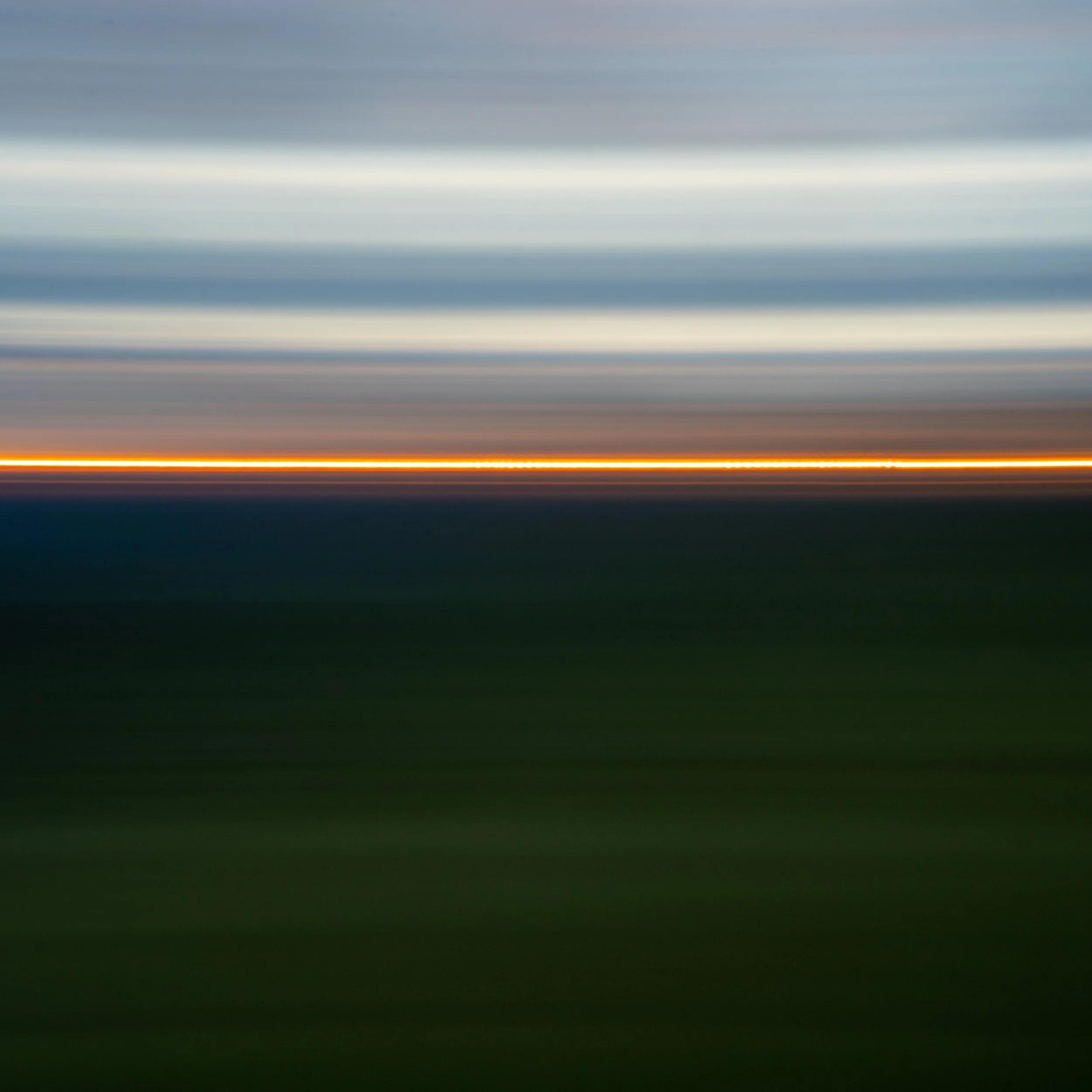
Dye-sublimation print on clear-coated brushed aluminium, matte finish
84 × 84 cm
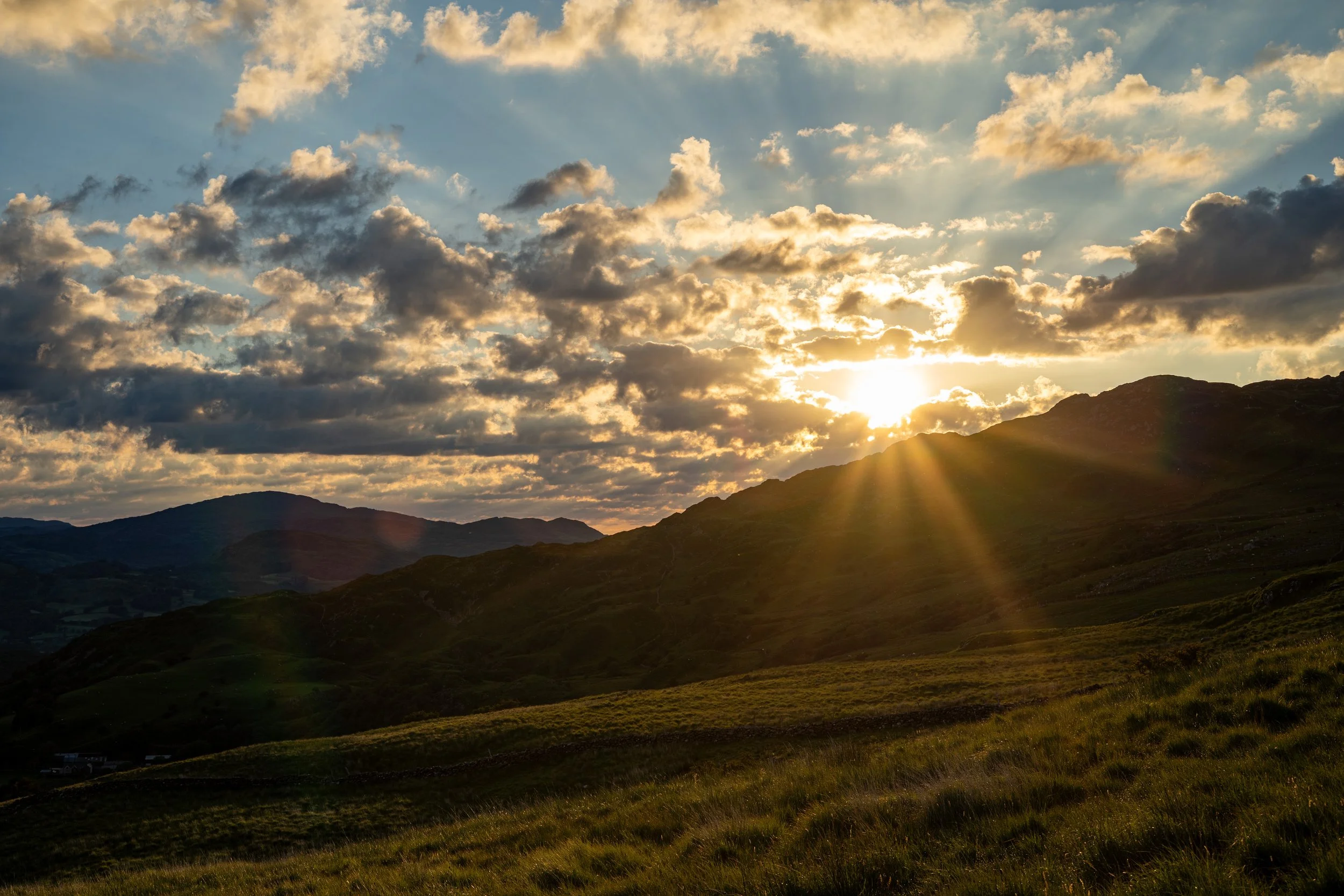
Litha Rise, Cadair Idris is a photographic work made during fieldwork on Cadair Idris in Eryri at the summer solstice.
The work begins with a contradiction. The image can appear synthetic or digitally constructed, yet it was produced in-camera through a physical and process-led encounter with the site: walking, position, exposure, changing light and solar conditions. Its apparent artificiality is not a reconstruction of landscape but the result of recording it.
The camera is therefore not treated as a transparent means of representation. It is one element within a larger set of conditions involving body, terrain, light, duration and mechanical process. The resulting image sits uneasily between direct observation and fabrication, making it difficult to establish where the natural ends and the artificial begins.
Solstice
The summer solstice provides a precise temporal datum for the work. The longest day is simultaneously a culmination and a turning point: maximum daylight is reached at the moment its direction begins to reverse.
Litha Rise uses that condition without requiring it to become a symbolic or spiritual explanation of the image. The solstice establishes a particular relationship between light, duration and change. What appears momentarily at its maximum is already beginning to recede.
Cadair Idris
Cadair Idris also carries a long history of landscape representation. Richard Wilson painted Llyn-y-Cau, Cader Idris in the eighteenth century, and J. M. W. Turner repeatedly drew and studied the mountain and its surrounding landscape.
Litha Rise returns to this terrain within a very different image culture. Rather than treating the mountain as neutral scenery, the work considers what happens when an image produced through direct contact with landscape arrives looking unexpectedly artificial.
The historical landscape tradition remains present, but it is not reproduced. Distance, scale, light and the act of travelling into the landscape are retained while the certainty of representation becomes less stable.
Surface
The photograph is dye-sublimated onto clear-coated brushed aluminium with a matte finish. Unlike an aluminium print with an opaque white ground, the clear surface allows the silver tone and grain of the metal to remain visible through lighter areas of the image.
The aluminium therefore does more than support the photograph. Image and substrate remain perceptibly distinct while continually interfering with one another. As ambient light and viewing position change, the relationship between photographic information and exposed metal changes with them.
The material extends the central contradiction of the work into the object itself: an image produced through direct environmental conditions acquires an increasingly manufactured appearance.
Fieldwork
The work emerged through repeated field observation concerned with how landscape, light, horizon and environmental change provide or destabilise bearings. Photography operates within this research as a durational and material register rather than simply as documentation of a view.
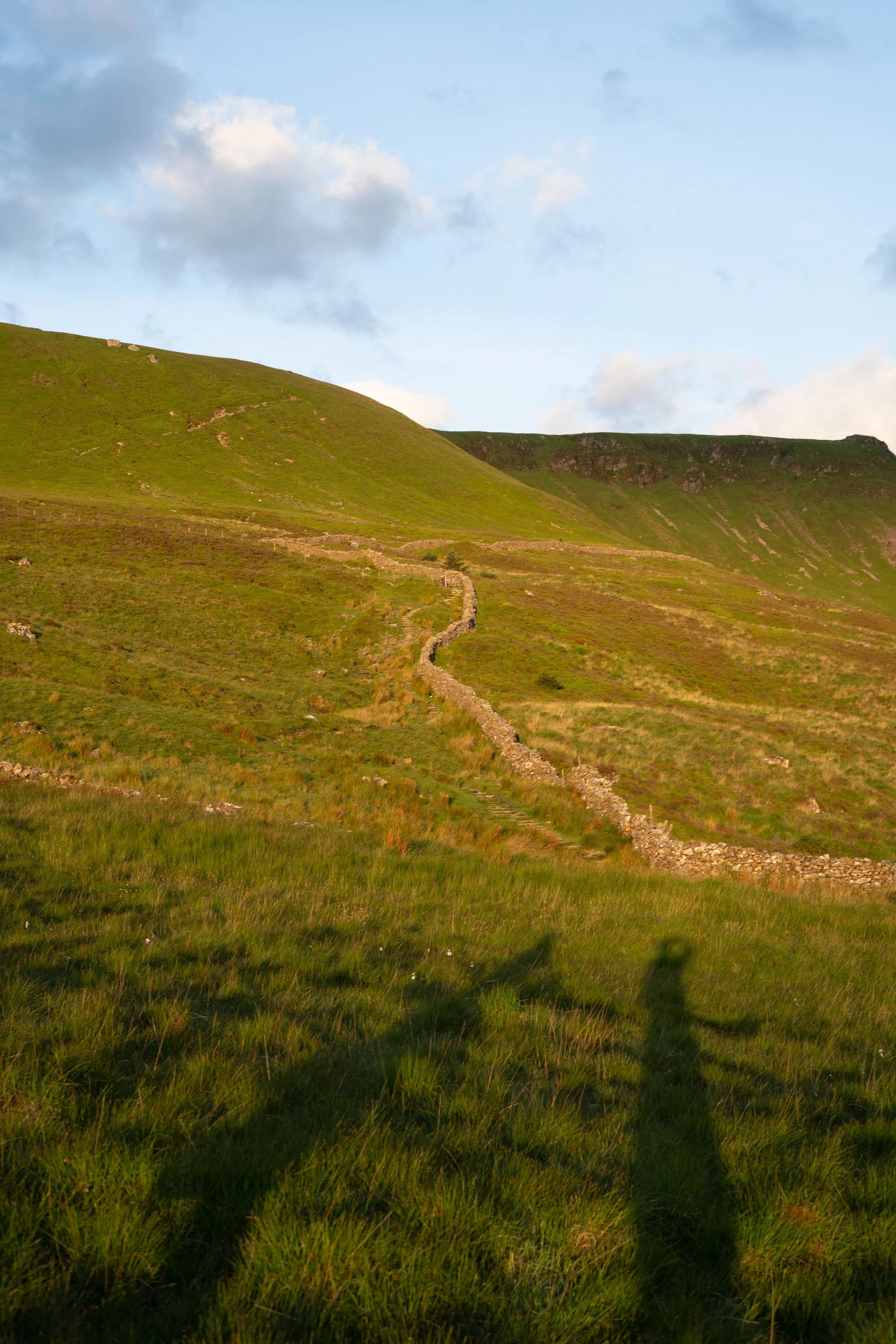
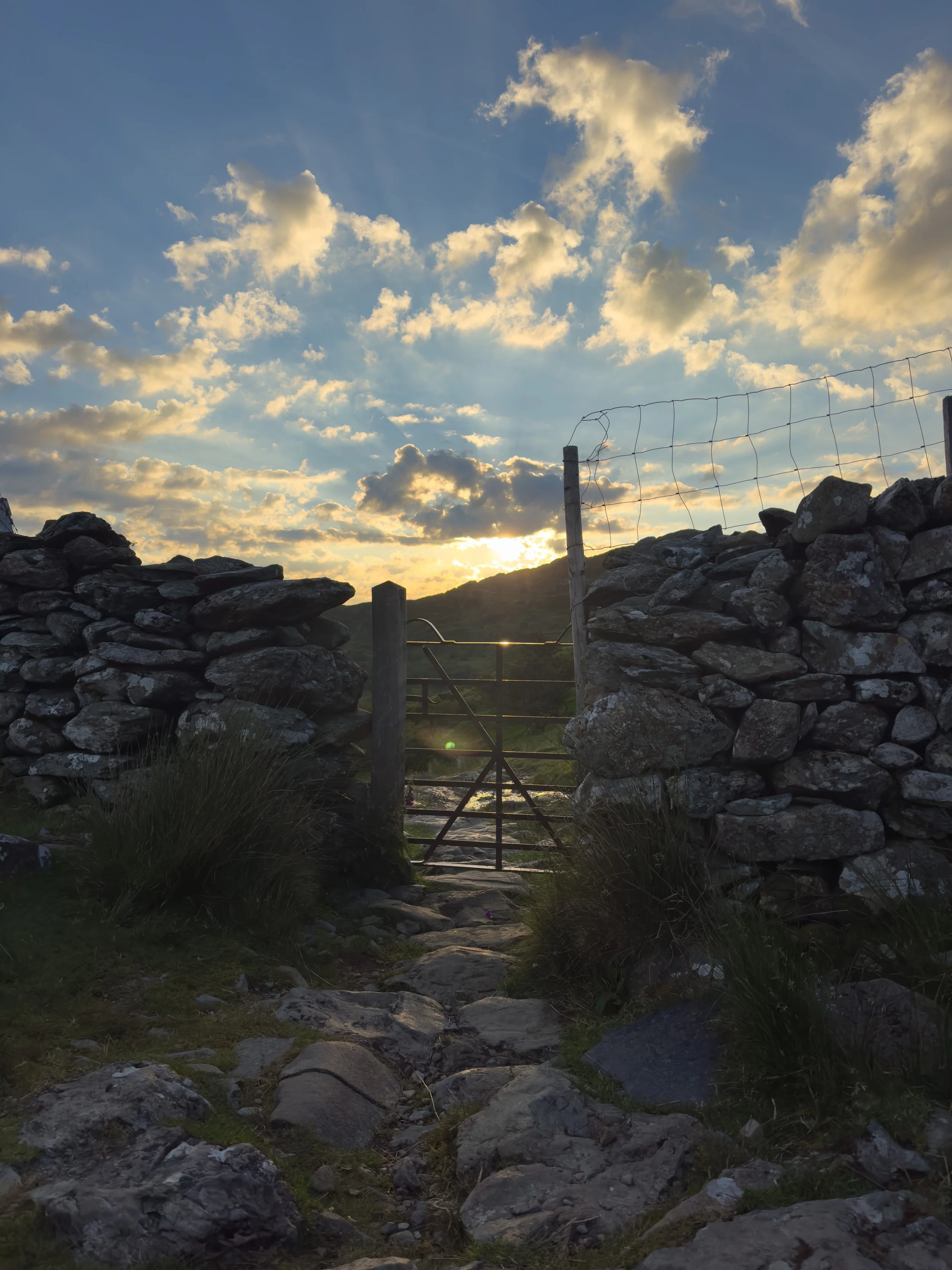
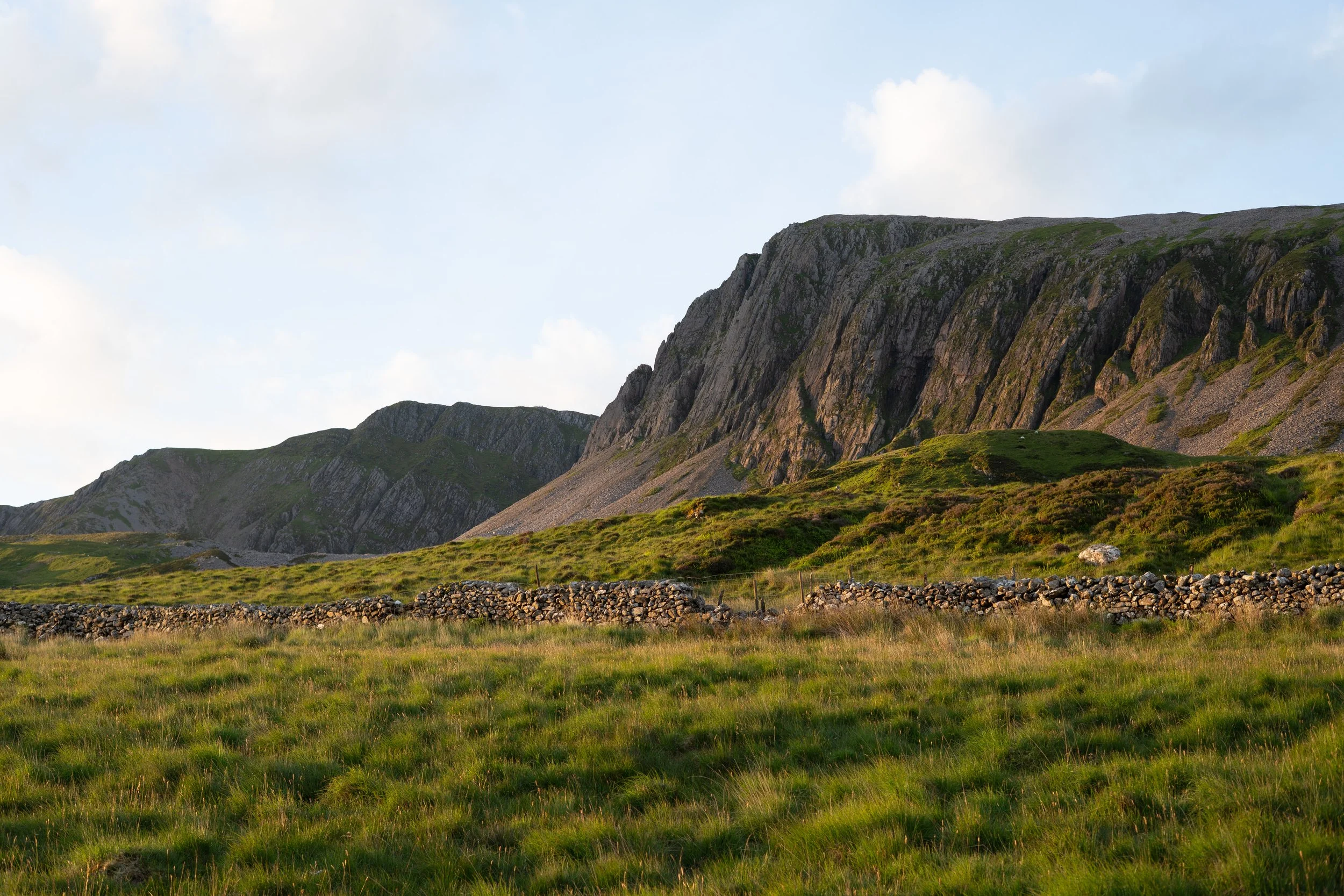
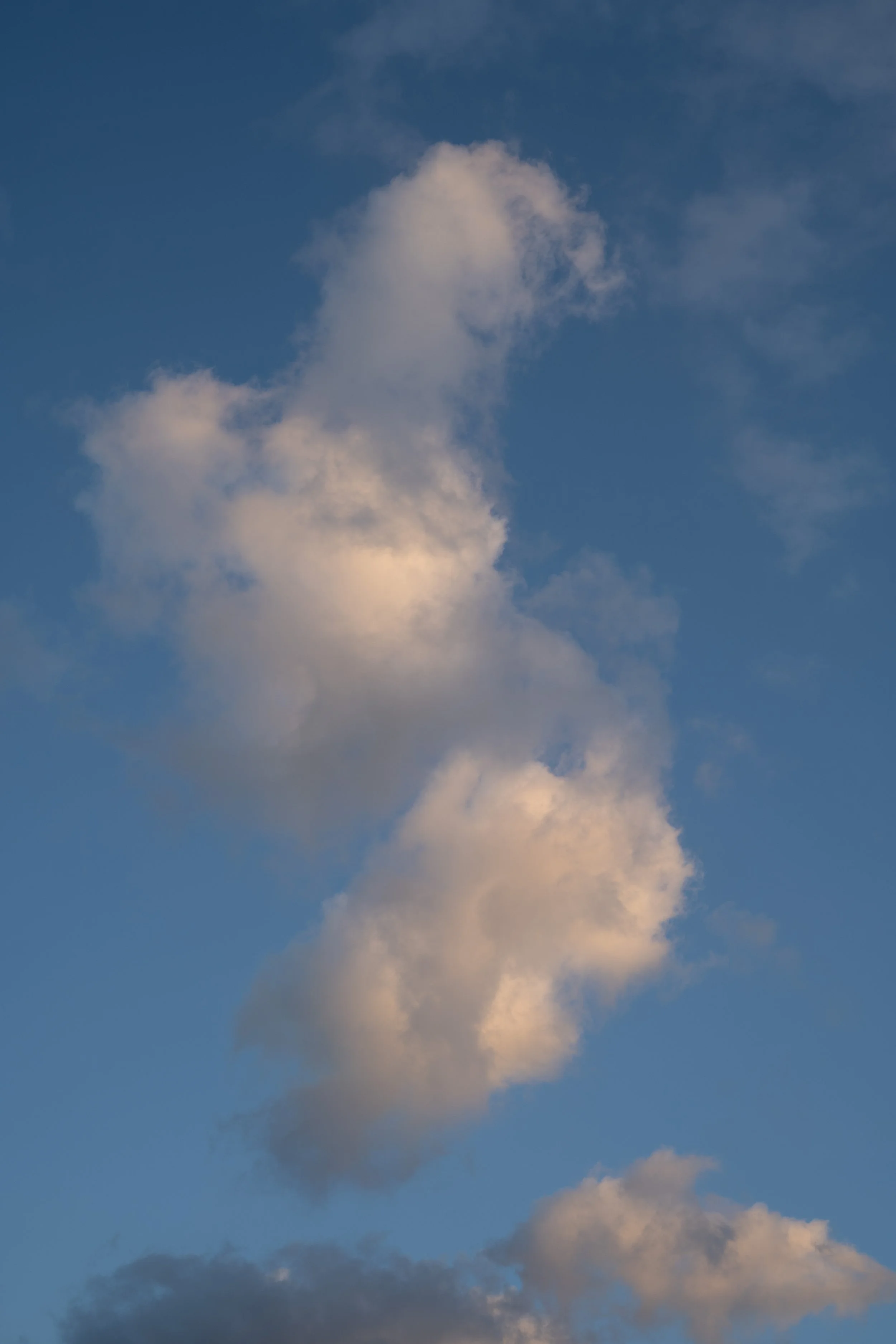
Process documentation: Cadair Idris, Eryri, June 2026.
Litha Rise, Cadair Idris was developed alongside Horizon Protocols: Seasonal Research across Urban and Rural Thresholds, an ongoing Arts Council England-supported research and development project.